网站导航




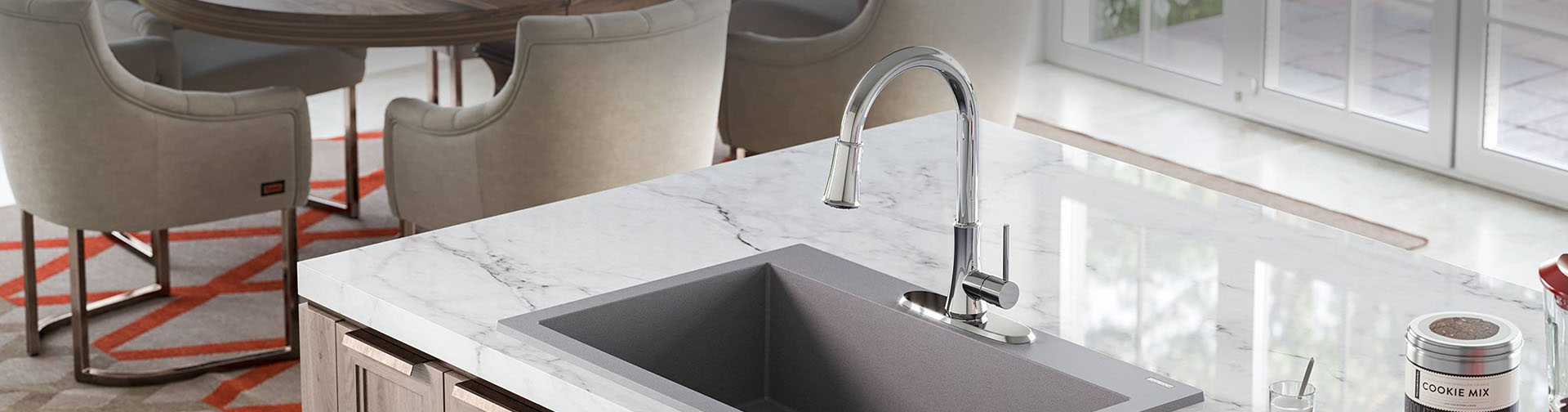
When we think of a bathroom manufacturer, we often picture factories producing porcelain sinks or acrylic bathtubs. However, the reality is far more sophisticated. Today's leading manufacturers are innovation hubs that combine material science, ergonomic design, and smart technology. They invest heavily in research and development to create products that not only look beautiful but also perform exceptionally well under daily wear and tear.
A forward-thinking bathroom manufacturer also prioritizes water conservation. With water scarcity becoming a pressing global issue, manufacturers are engineering toilets that use as little as 0.8 gallons per flush, faucets with aerators that reduce flow without sacrificing pressure, and showerheads that deliver a luxurious experience while cutting water usage by up to 40%. These are not just marketing gimmicks; they are tangible solutions backed by rigorous testing and certification.
Moreover, the manufacturing process itself has become cleaner. Many reputable manufacturers have adopted closed-loop water recycling systems in their factories, reduced packaging waste, and switched to renewable energy sources. This commitment to sustainability starts at the factory floor and extends all the way to the end-user, ensuring that every product carries a smaller environmental footprint.
The Role of a Reliable Bathroom Supplier
Even the finest products need a bridge to reach the consumer, and that is where the bathroom supplier comes in. A supplier is more than a middleman; they are a curator of quality, a logistics expert, and a trusted advisor. Whether you are a contractor managing a large-scale development or a homeowner embarking on a personal bathroom renovation, the supplier you choose can make or break your project.
A professional bathroom supplier offers several key advantages. First, they provide access to a curated portfolio of brands and products, saving you the time and hassle of researching countless options. Second, they offer competitive pricing through bulk purchasing, which is especially beneficial for commercial projects or whole-house renovations. Third, they provide invaluable guidance on compatibility—ensuring that the faucet you choose fits the sink, the shower system works with your water pressure, and the lighting complements the overall design.
In today's digital age, many suppliers have also enhanced their customer experience through virtual showrooms, 3D design tools, and detailed product specifications online. This transparency helps customers make informed decisions, reducing the risk of costly mistakes during installation. A great bathroom supplier does not just sell products; they build lasting relationships by offering after-sales support, warranty assistance, and maintenance advice.
Essential Bathroom Fixtures for Every Space
The term bathroom fixtures encompasses a wide range of permanent installations that define the functionality and aesthetic of your space. These include toilets, sinks, bathtubs, showers, faucets, and even towel bars and robe hooks. While they may seem like simple components, each fixture plays a critical role in the overall user experience.
When selecting bathroom fixtures, quality should always take precedence over price. A cheap faucet might save you money upfront, but it can lead to leaks, corrosion, and costly water damage down the line. Conversely, high-quality fixtures made from brass or stainless steel with premium ceramic cartridges can last for decades with minimal maintenance. Similarly, a well-constructed toilet with a glazed trapway prevents staining and clogging, while a solid acrylic bathtub resists chipping and fading over time.
Design-wise, bathroom fixtures have become incredibly diverse. From matte black and brushed gold finishes to minimalist European designs and industrial-inspired exposed pipes, there is a style to suit every taste. The key is to choose fixtures that not only match your aesthetic vision but also work harmoniously together in terms of scale, function, and water efficiency. A cohesive fixture selection can elevate an ordinary bathroom into a spa-like retreat, adding significant value to your home.
The Rise of Eco Friendly Bathroom Products
One of the most significant trends in the industry is the growing demand for eco friendly bathroom products. Consumers are increasingly aware that traditional bathroom products can be wasteful—from high-flow toilets that consume gallons of water per flush to plastic packaging that ends up in landfills. The shift toward sustainability is not just a passing fad; it is a fundamental change in consumer behavior.
Eco friendly bathroom products come in many forms. Water-saving toilets with dual-flush mechanisms allow users to choose between a full flush for solid waste and a reduced flush for liquid waste, saving thousands of gallons of water per year. Sensor-activated faucets reduce water waste by automatically shutting off when not in use. Bamboo toothbrush holders, recycled glass countertops, and reclaimed wood vanities are also gaining popularity as homeowners seek to reduce their environmental footprint beyond just water consumption.
Furthermore, many eco friendly bathroom products are now manufactured using non-toxic, low-VOC (volatile organic compound) materials that improve indoor air quality. This is particularly important in bathrooms, where humidity can cause off-gassing from conventional paints and sealants. By choosing eco-friendly alternatives, you are not only helping the planet but also creating a healthier environment for your family. Leading manufacturers are also adopting take-back programs, where old fixtures are recycled into new products, closing the loop on waste.
Design Ideas and Layout Planning for a Sustainable Bathroom
A successful bathroom renovation requires careful planning, and that includes both design aesthetics and functional layout. Before you purchase any products, it is wise to sketch out a bathroom layout plan that considers the placement of plumbing fixtures, storage solutions, and traffic flow. A well-thought-out layout maximizes space efficiency and ensures that the bathroom feels open and inviting, even in smaller footprints.
For those seeking inspiration, current bathroom design ideas lean toward minimalism with natural elements. Think large-format porcelain tiles that mimic marble, floating vanities that create an illusion of space, and frameless glass showers that let light flow freely. Integrating plants into the bathroom design is another popular trend, adding a touch of nature while improving air quality.
When it comes to bathroom furniture, pieces like vanities, storage cabinets, and shelving units should be chosen for both form and function. Look for furniture made from moisture-resistant materials, such as marine-grade plywood or solid teak, which can withstand the humid bathroom environment without warping or peeling. Modular furniture systems are also gaining traction, allowing homeowners to customize storage configurations based on their specific needs.
Ultimately, the best bathroom design ideas are those that reflect your personal style while incorporating sustainable practices. Whether you prefer a spa-inspired oasis with a soaking tub and rainfall shower, or a sleek, modern powder room with bold geometric tiles, the possibilities are endless. The key is to work with a trusted bathroom supplier who can guide you toward products that align with both your vision and your values.
The Future of Bathroom Manufacturing
As we look ahead, the bathroom industry will continue to evolve in response to technological advancements and environmental imperatives. Smart bathrooms with integrated sensors, voice-activated controls, and self-cleaning surfaces are no longer science fiction—they are becoming mainstream. At the same time, the push for circular economy models will drive manufacturers to design products that are easier to repair, upgrade, and recycle.
A responsible bathroom manufacturer will also embrace transparency, providing customers with detailed information about material sourcing, manufacturing processes, and product lifespans. This level of openness builds trust and empowers consumers to make choices that align with their values. As the industry matures, the distinction between "luxury" and "sustainable" will fade, because the two are increasingly becoming one and the same.


