网站导航




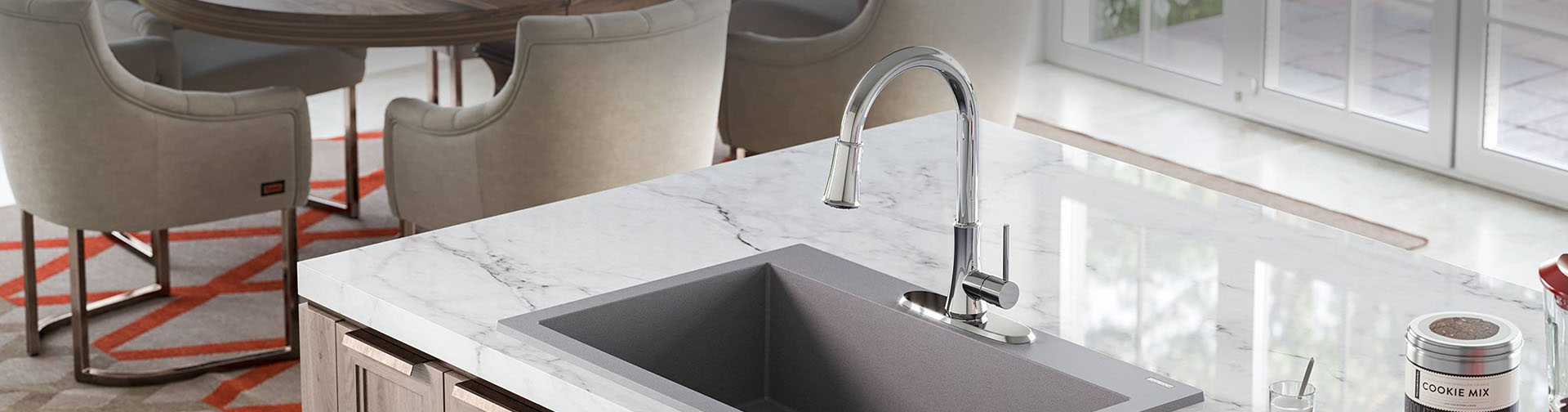
A bathroom is far more than a functional space—it is a sanctuary, a place to begin and end each day, and a reflection of personal style. Whether you are planning a complete bathroom renovation, building a new home, or upgrading a commercial property, the decisions you make about fixtures, finishes, and layout will have a lasting impact on comfort, value, and daily enjoyment. At the heart of every successful project lies a critical partnership with a trusted bathroom manufacturer who can deliver quality products, design expertise, and reliable support. This comprehensive guide will walk you through everything you need to know about planning your bathroom renovation, selecting the right bathroom manufacturer, and creating a space that combines beauty with functionality.
Why a Well-Designed Bathroom Matters
The bathroom is one of the most frequently used rooms in any home or commercial building. It is where we prepare for the day ahead and unwind after long hours. A thoughtfully designed bathroom enhances daily routines, promotes relaxation, and significantly increases property value. In fact, real estate experts consistently rank bathroom renovation among the top home improvements for return on investment.
Beyond financial considerations, a well-executed bathroom project improves water efficiency, reduces maintenance costs, and creates a healthier environment through better ventilation and moisture control. Modern bathroom design also embraces accessibility, ensuring that spaces remain usable for people of all ages and abilities. Whether you prefer a minimalist spa aesthetic, a classic traditional look, or something bold and contemporary, the right bathroom manufacturer can bring your vision to life.
Key Considerations for Your Bathroom Renovation
Embarking on a bathroom renovation can feel overwhelming, but breaking the process into clear stages makes it manageable and rewarding. Before selecting any products or engaging a bathroom manufacturer, take time to define your project scope, budget, and design preferences.
Start by assessing your current bathroom. What works well, and what frustrates you? Is storage insufficient? Is the lighting inadequate? Does the layout feel cramped or inefficient? Identifying these pain points guides your renovation priorities. Next, consider your household needs. A family bathroom will have different requirements than a master ensuite or a guest powder room. Think about who uses the space, when they use it, and what activities take place there.
Budget planning is another essential early step. Bathroom renovation costs vary widely based on the scope of work, quality of materials, and whether you are making structural changes. A reputable bathroom manufacturer can help you allocate your budget effectively, suggesting where to invest for maximum impact and where cost savings are possible without compromising quality.
Understanding the Role of a Bathroom Manufacturer
A bathroom manufacturer is far more than a supplier of sinks and toilets. Leading manufacturers offer comprehensive product ranges that include sanitaryware such as toilets, bidets, and washbasins; faucets and showers in various styles and finishes; bathtubs from freestanding to built-in options; bathroom furniture including vanities, cabinets, and shelving; mirrors and lighting solutions; accessories such as towel rails, soap dispensers, and robe hooks; and shower enclosures and bath screens.
When selecting a bathroom manufacturer, quality should be your foremost consideration. Bathroom fixtures endure daily use, exposure to moisture, and frequent cleaning. High-quality materials like vitreous china, durable ceramics, solid brass, and corrosion-resistant finishes ensure longevity and maintain their appearance over time. A reputable bathroom manufacturer conducts rigorous testing for durability, water efficiency, and safety compliance.
Design aesthetics and product range are equally important. A comprehensive bathroom manufacturer offers a wide variety of styles, from minimalist and modern to traditional and ornate. This allows you to source all your fixtures from a single supplier, ensuring design consistency and simplifying procurement. Many manufacturers also offer coordinated collections where each piece complements the others harmoniously.
Innovation is another hallmark of a leading bathroom manufacturer. Look for companies that invest in water-saving technologies, easy-clean surfaces, anti-microbial treatments, and smart features such as touchless operation, temperature control, and integrated lighting. These innovations enhance comfort, hygiene, and environmental responsibility.
Sustainability credentials are increasingly important. An eco-conscious bathroom manufacturer uses responsibly sourced materials, implements water-efficient production processes, and offers products that help reduce water and energy consumption in the finished bathroom. Certifications like WaterSense, Green Label, and ISO 14001 are indicators of genuine environmental commitment.
Warranty and after-sales support should not be overlooked. A confident bathroom manufacturer stands behind their products with comprehensive warranties and responsive customer service. This protection gives you peace of mind and safeguards your bathroom renovation investment.
Planning Your Bathroom Layout
Before finalizing your product selections with your chosen bathroom manufacturer, careful layout planning is essential. The arrangement of fixtures determines how comfortable and functional your new bathroom will be.
Start with the fixed points—the location of plumbing stacks, drain connections, and ventilation shafts. Moving these can significantly increase renovation costs. Work around these constraints where possible. The classic bathroom layout plan positions the toilet, sink, and shower or bathtub in a logical sequence that facilitates efficient use of space.
For smaller bathrooms, consider space-saving solutions such as wall-hung toilets, corner sinks, or compact shower enclosures. Many bathroom manufacturer offer specialized compact ranges designed specifically for tight spaces. For larger bathrooms, you have the freedom to include dual vanities, freestanding bathtubs, walk-in showers, and even separate water closets.
Circulation space is often overlooked but critically important. Ensure there is adequate clearance around each fixture for comfortable use and cleaning. Door swings should not obstruct fixtures. Shower doors should open outward for safety. These practical considerations, guided by your bathroom manufacturer's technical team, ensure your renovation result is as functional as it is beautiful.
Selecting Bathroom Fixtures and Furniture
The products you choose for your bathroom renovation define its character and performance. Your bathroom manufacturer will offer guidance on selecting the right options for your specific needs.
Toilets are available in various styles, including close-coupled, back-to-wall, and wall-hung. Consider water efficiency and ease of cleaning. Dual-flush mechanisms and rimless designs are popular choices that combine functionality with hygiene.
Washbasins range from pedestal and countertop styles to semi-recessed and wall-hung options. Material choices include ceramic, glass, stone, and solid surface. Your bathroom manufacturer can advise on durability, stain resistance, and maintenance requirements.
Faucets and showers are both functional and decorative elements. Choose finishes that complement your overall design scheme, such as chrome, brushed nickel, matte black, or gold. Thermostatic shower mixers provide consistent temperature control, and rain shower heads offer a luxurious experience.
Bathroom furniture includes vanities, storage cabinets, and shelving. Well-chosen furniture maximizes storage, reduces clutter, and enhances the aesthetic. Look for moisture-resistant materials and soft-close mechanisms for quiet, smooth operation.
Bathtubs come in freestanding, built-in, corner, and alcove configurations. Materials include acrylic, cast iron, steel, and stone resin. Consider your available space, the primary user's needs, and the overall style of your bathroom.
Managing Your Bathroom Renovation Project
Successful bathroom renovation requires careful project management. Timing and coordination are crucial to minimize disruption and ensure quality results.
Begin by establishing a realistic timeline with your contractors and bathroom manufacturer. Account for design and product selection, ordering and delivery lead times, demolition and site preparation, plumbing and electrical rough-in, installation of fixtures and furniture, tiling, painting, and finishing, and final fitting and inspection.
Order all products from your bathroom manufacturer well in advance to avoid delays. Confirm delivery dates and inspect items upon arrival for any damage. Store products in a safe, dry location until installation.
Hire qualified tradespeople with experience in bathroom renovation. Plumbing, electrical work, tiling, and waterproofing all require specialized skills. Your bathroom manufacturer may have a list of recommended installers in your area.
Stay involved throughout the process. Regular site visits allow you to catch issues early and ensure the project stays aligned with your vision. Good communication with your contractors and bathroom manufacturer helps resolve challenges quickly and keeps the project on track.
Eco-Friendly Bathroom Options
Sustainability is an increasingly important consideration in modern bathroom renovation. Many bathroom manufacturers now offer eco-friendly products that reduce water and energy consumption without compromising style or performance.
Water-efficient toilets use as little as 3 to 4.8 liters per flush, compared to older models that used 13 liters or more. Low-flow faucets and showerheads reduce water usage by up to 40 percent while maintaining excellent performance. Sustainable materials include bamboo vanities, recycled glass tiles, and reclaimed wood for accessories. Tankless water heaters and energy-efficient lighting also contribute to a greener bathroom.
Common Bathroom Renovation Mistakes to Avoid
Even with careful planning, bathroom renovation projects can encounter problems. Being aware of common pitfalls helps you avoid them.
Underestimating the budget is one of the most frequent issues. Unforeseen problems like water damage, outdated wiring, or structural issues often surface during demolition. Build a contingency of 15 to 20 percent into your budget to handle surprises.
Poor ventilation leads to mold, mildew, and damage over time. Ensure your bathroom has adequate exhaust ventilation that meets local building codes. Your bathroom manufacturer can recommend suitable ventilation solutions.
Choosing style over function can result in a beautiful but impractical bathroom. Consider how the space will be used daily and prioritize durability, ease of cleaning, and practical storage.
Failing to order samples means you may be surprised by how products look together in your actual lighting. Always request physical samples from your bathroom manufacturer before making final decisions.
DIY installation of complex fixtures often leads to costly mistakes. Leave plumbing, electrical work, and waterproofing to qualified professionals.
Trends in Bathroom Design
The bathroom industry continues to evolve with new design trends. Key movements include the spa-inspired bathroom, featuring natural materials, soft lighting, and freestanding bathtubs; the smart bathroom, with integrated technology such as mirrors with built-in displays and voice-activated controls; minimalist design characterized by clean lines, floating vanities, and concealed storage; and bold color accents through statement tiles, painted furniture, or colorful accessories.


