网站导航




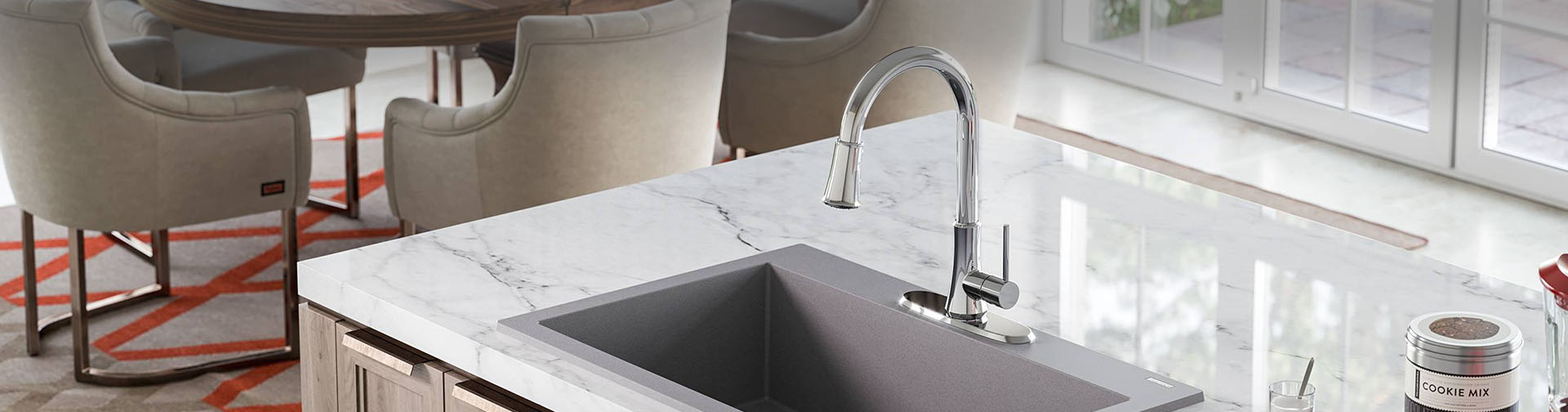
Core assessment: The global bathroom products market is expanding steadily, driven by residential renovation, hospitality construction, and consumer demand for water-efficient and design-led products. For buyers—whether homeowners planning a renovation, developers furnishing multiple units, or retailers sourcing inventory—the decisive factors are increasingly specification clarity, supplier reliability, and lifecycle durability rather than price alone. A bathroom that looks good in a showroom but fails in service is an expensive mistake.
The Bathroom Product Categories That Matter
A complete bathroom specification covers several distinct product groups, each with different sourcing logic.
Bathroom fixtures. This category includes toilets, basins, bathtubs, showers, and bidets. Fixtures are the most technically demanding purchases in any bathroom project. The key specifications are:
Water efficiency: dual-flush toilets, low-flow showerheads, and aerated taps reduce consumption without sacrificing performance
Material quality: vitreous china, ceramic, acrylic, and stone resin each have different durability, repairability, and price characteristics
Rough-in dimensions: the plumbing connections and waste outlet positions must match the installation—a mismatch discovered after tiling is costly to correct
Bathroom furniture. Vanity units, mirror cabinets, and storage furniture combine function with design. The critical variables are moisture resistance (MDF, plywood, and solid wood behave very differently in humid environments), hardware quality (hinges and drawer runners determine service life), and finish durability.
Bathroom accessories. Towel rails, hooks, soap dispensers, toilet brushes, and shelving are low-cost items individually but collectively define the finished appearance. Material selection—brass, stainless steel, zinc alloy, or plastic—determines corrosion resistance in a humid environment.
Eco friendly bathroom products. Water-saving fixtures, low-VOC finishes, recycled-content materials, and products with recognized environmental certifications are moving from niche to mainstream, particularly in European and North American markets. Certification scope (WaterSense, WRAS, European Water Label) should be verified for the specific product being purchased.
Bathroom Design Ideas and Layout Planning
Bathroom design ideas often fail in execution for one reason: the layout was not resolved before products were purchased. Design decisions and product selection must proceed together.
Bathroom layout plan. The layout determines what products will fit and where services can be located. Key considerations include:
Drainage and venting: waste pipe positions constrain toilet and shower placement; relocating them requires floor excavation or a raised floor
Door swing and clearance: a door that opens into the room may conflict with a vanity or shower enclosure
Ventilation: bathrooms without windows require mechanical extraction to control humidity and prevent mould
Accessibility: grab bar blocking, step-free shower access, and adequate turning space should be planned at the design stage if ageing-in-place or accessibility is a consideration
Zoning. Separating wet and dry zones improves usability and durability. A shower enclosure, a vanity area, and a toilet compartment can be zoned to allow simultaneous use and to protect moisture-sensitive furniture.
Lighting. Task lighting at the mirror, ambient lighting for general illumination, and moisture-rated fixtures (IP44 or higher in wet zones) are baseline requirements.
Storage planning. Adequate storage prevents clutter, and clutter accelerates wear on finishes. Plan storage before selecting furniture, not after.
Material selection for wet zones. Floor and wall materials should be slip-resistant in wet areas, easy to clean, and resistant to mould and staining. Large-format tiles reduce grout lines, which are the primary location of mould growth and staining.
Evaluating a Bathroom Manufacturer or Supplier
The bathroom products market includes vertically integrated manufacturers, regional distributors, and trading companies. The evaluation framework should focus on capability rather than category.
Manufacturing scope. Does a bathroom manufacturer control production of its own fixtures—casting, glazing, firing, and testing for sanitaryware—or does it assemble purchased components? In-house production provides better control over quality, lead time, and customization.
Certification and testing. Relevant certifications depend on the market and product category: WRAS and Water Label in the UK, WaterSense in the US, CE marking and EN standards in Europe, and SASO in Saudi Arabia. Certification must cover the specific product model and the manufacturing facility. For sanitaryware, durability testing (flush cycles, load testing) and glaze quality testing are additional indicators.
Consistency and tolerances. Sanitaryware is produced in batches, and dimensional and colour consistency across batches matters for multi-unit projects. Request production samples and colour reference standards, and confirm tolerance limits in writing.
Customization capability. For developers and retailers with specific requirements, the ability to customize dimensions, finishes, packaging, and branding is a differentiator. Confirm whether the supplier supports OEM or private label arrangements and what minimum volumes apply.
Logistics and damage rates. Bathroom products are bulky and fragile. Packaging quality and shipping damage rates directly affect landed cost. Request packaging specifications and historical damage statistics, and consider third-party inspection before shipment.
Sourcing by Channel: Wholesale, Factory, and Distribution
Bathroom wholesale serves retailers and contractors that need inventory without a full factory commitment. Wholesale suppliers aggregate products from multiple manufacturers, offering smaller order quantities and faster replenishment. The trade-off is higher unit cost and less control over customization.
Bathroom factory direct sourcing offers the lowest unit cost at volume and the greatest customization flexibility. The trade-off is higher minimum order quantities, longer lead times, and the buyer's responsibility for quality control and compliance.
Regional distribution provides local inventory, technical support, and after-sales service. For contractors and homeowners who need products quickly and may require warranty support, local distribution often justifies its margin.
Online sourcing has grown substantially, particularly for accessories, furniture, and replacement parts. Verification of supplier credentials, product certification, and return policies is essential, as the online channel includes both established manufacturers and opportunistic sellers.
Practical Guidance for Buyers
Resolve the layout before purchasing products. A well-designed bathroom layout plan prevents the most expensive category of renovation error: products that do not fit or cannot be connected.
Specify water efficiency explicitly. For eco friendly bathroom products, request the specific certification and performance data—litres per flush, litres per minute—rather than accepting general sustainability claims.
Prioritize fixtures over accessories. Budget allocated to fixtures and waterproofing delivers more long-term value than budget allocated to decorative accessories. Accessories can be upgraded later; failed waterproofing cannot.
Verify moisture resistance for furniture. In humid bathrooms, furniture quality is determined by substrate material, edge sealing, and hardware—not by the finish visible on the showroom floor.
Plan for ventilation. A bathroom without adequate extraction will develop mould regardless of product quality. Mechanical ventilation should be specified as part of the renovation, not added as an afterthought.
Confirm certification scope. Certifications are product- and facility-specific. Ask for the certificate covering the exact model being purchased, and verify its validity.
Consider the installation interface. The quality of installation—waterproofing, tiling, sealing, and plumbing connections—determines whether good products perform well. Choose installers with verifiable experience, and inspect waterproofing before tiling proceeds.


